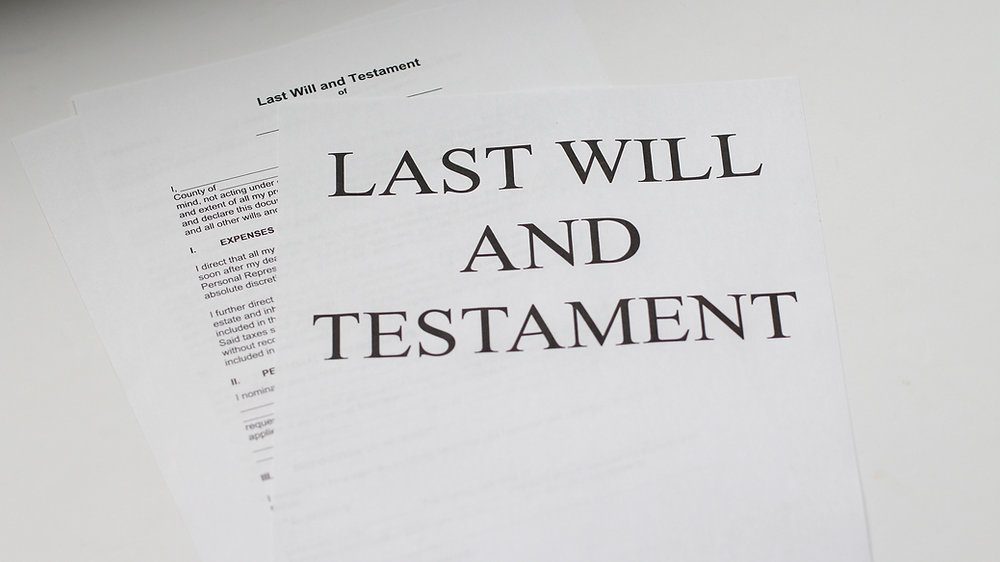
If a family member who had accounts, cards, investments, or a pension plan with a Spanish bank has passed away, you'll likely need to go through what's called a "testamentaría."
This is the process, carried out directly with the bank, of identifying everything the deceased held there, whether that's bank accounts, deposits, cards, securities, pension plans, or insurance products, and then liquidating or distributing those assets among the heirs.
What the bank will ask for
Before releasing any funds, the bank will typically want to see the death certificate, the certificado de actos de última voluntad (confirming whether a will exists and which one is valid), a copy of the will itself or, if there is none, the declaración de herederos, and identification for each heir. Depending on the assets involved, the bank may also require proof that inheritance tax has been paid or formally deferred.
Timing matters
Inheritance tax in Spain generally has to be paid, or a deferral requested, within six months of the death, and this deadline runs regardless of how long the testamentaría itself takes to complete. It's not a simple process. It takes real effort, some specific knowledge, and time to get right, so it is worth getting it moving early rather than waiting until the deadlines are close.