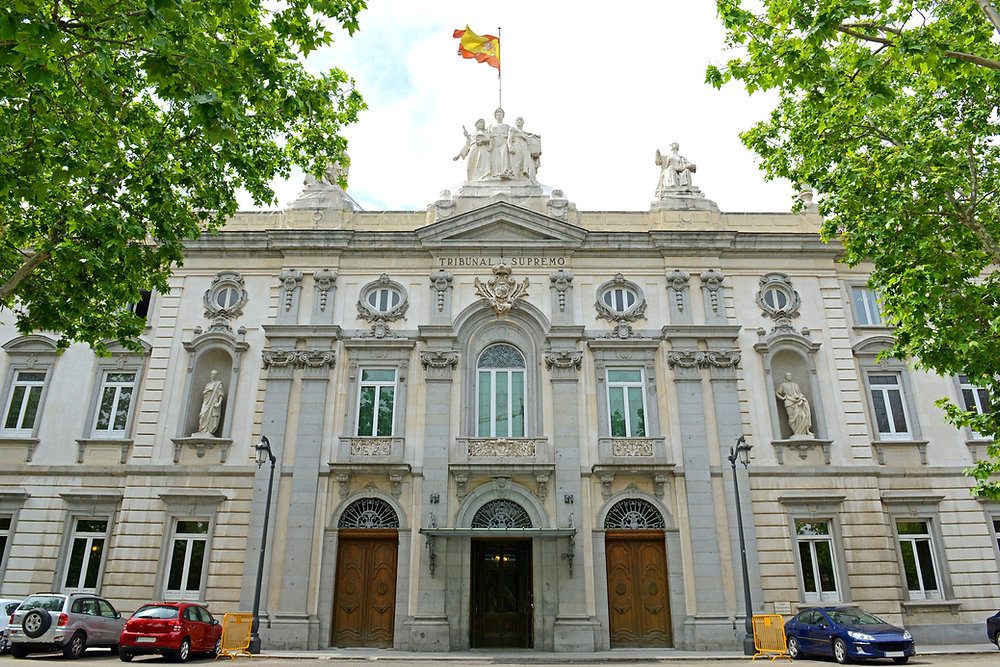
The Supreme Court has just stepped into the "Ley de Nietos," and it's causing confusion among people who obtained, or are applying for, Spanish nationality through it. Here's what actually changed this week, and what didn't.
What is the "Ley de Nietos"?
"Ley de Nietos" is the informal name for a nationality route created by the 2022 Ley de Memoria Democrática. It lets people born outside Spain claim Spanish nationality if they descend from a Spaniard who lost or renounced their nationality fleeing political, ideological, religious or sexual-orientation-based persecution between 18 July 1936 and 31 December 1955. A Ministry of Justice instruction from October 2022 went further: it created a presumption that anyone who left Spain in that window did so as a political exile, with no individual proof required. That presumption is what drove the surge in nationality grants since 2023.
What did the Court actually rule?
This is not a strike-down of nationality grants, and it is not a ruling on the merits, not yet. It is a precautionary measure, provisionally suspending the electoral effects of nationality granted under that presumption. Specifically, it suspends CERA registration, the census that lets Spanish residents abroad vote in Spanish elections. The Court's stated concern was scale: several hundred thousand new voters added to the roll on the strength of the presumption alone, ahead of elections due by 2027.
Who is actually affected?
Only CERA and voting rights tied to the presumption. Nationality itself has not been revoked, annulled, or even questioned by this ruling, for anyone. If your file included individual proof of your ancestor's exile rather than relying on the blanket presumption, this suspension does not touch you.
Does this affect applications still pending?
Not directly, and not yet, pending applications keep moving forward. But since the Court's substantive ruling on the presumption itself is still to come, anyone applying now should build their file with individual evidence of their ancestor's exile rather than leaning on the presumption alone. It makes for a stronger file either way, and it insulates you from whatever the final judgment says.
What should you do now?
If you already hold Spanish nationality through this route, nothing changes day-to-day. If voting from abroad matters to you, check your CERA status once the final judgment lands. If you are still applying, talk to us about strengthening your file with direct evidence rather than the presumption.
We are following this case closely and will update this post as the Supreme Court's substantive ruling develops.